
Teeth Grinding Treatment in Burnaby
Do you wake up with a sore jaw? You might be grinding your teeth while you sleep. At Cascadia Dental Studio, we offer personalized teeth grinding treatment in Burnaby to help you protect your teeth, relieve jaw pain and sleep better at night.
What Is Teeth Grinding?
Teeth grinding, also called bruxism, is when you clench, gnash or grind your teeth without realizing it. Many people do it during sleep (called sleep bruxism), but it can also happen when you’re awake this is known as awake bruxism.
Although it might seem harmless at first, frequent teeth grinding can lead to serious oral health issues. It can wear down your tooth enamel, cause loose teeth, affect your jaw joints and even lead to severe jaw pain. Over time it can affect your sleep quality and leave you feeling tired, sore or anxious throughout the day.
So is teeth grinding serious? Yes, especially if left untreated. It can interfere with your daily life, damage your teeth and contribute to long term health problems like temporomandibular joint (TMJ) issues and sleep disorders.

What Causes Teeth Grinding?
You may wonder, “Why do I grind my teeth at night?” The truth is, there isn’t always one simple answer. Teeth grinding can result from a mix of physical, psychological and lifestyle factors. Common causes include:
Stress and Anxiety
Feeling anxious or stressed is a major trigger for jaw clenching and grinding.
Sleep Disorders
Conditions like obstructive sleep apnea or other sleep related disorders can cause sleep bruxism.
Misaligned Teeth
If your upper or lower teeth don’t fit together properly, your jaw may overcompensate.
Missing Teeth
Gaps in your bite may cause unnatural movement or pressure during sleep.
Lifestyle Habits
Smoking tobacco, drinking alcohol and using recreational drugs can increase the risk of bruxism.
Cerebral Palsy, ADHD and Rett Syndrome
These health problems are linked to higher rates of bruxism, especially in children.
Even psychosocial factors like concentrating hard or feeling overwhelmed can lead to teeth grinding during the waking hours.
Common Signs and Symptoms
Wondering if you might have teeth grinding? Here are some of the most common signs and bruxism symptoms to watch for:
Waking up with morning jaw pain
Facial pain or sore jaw muscles
Grinding or clicking sounds during sleep (often reported by a sleep partner)
Flattened, chipped or worn down teeth
Sensitive or loose teeth
Headaches, especially in the morning
Jaw clenching during the day
Trouble opening or closing the mouth comfortably
Pain in the jaw joints or around the temporomandibular joint
Interrupted sleep or poor sleep quality
Tooth wear and damage to tooth enamel
In more severe cases teeth grinding can lead to broken teeth, receding gums or damage to dental work like fillings and crowns.

When to See a Dentist
You should see a dentist if:
Don’t wait too long to get treatment. Without proper care bruxism can lead to more serious problems including TMJ disorders, chronic headaches and long term damage to your smile. Early intervention means fewer complications and better results.
How We Diagnose and Assess It
At Cascadia Dental Studio diagnosing teeth grinding is straightforward and gentle. Here’s what to expect during your visit:
Discussion of Symptoms
We’ll talk about your sleep habits, daily stress levels and any signs of discomfort.
Physical Exam
The dentist will check for signs of grinding like worn enamel, flattened teeth or tenderness in the jaw muscles.
Bite Analysis
We may assess how your upper and lower teeth come together.
X-rays or Imaging
In some cases we’ll look deeper into your jaw joints to assess for TMJ damage.
Appointments typically take around 30 to 45 minutes. We’ll also talk about your lifestyle, stress levels and any health problems that might be causing bruxism.
Treatment Options for Teeth Grinding
So, what’s the question everyone wants to ask? How is teeth grinding treated? There isn’t a one-size-fits-all solution, the right bruxism treatment depends on the cause and severity of your symptoms. At Cascadia Dental Studio, we offer a range of treatment options:
In-Office Treatments
Custom Mouth Guard
These soft materials are worn at night to protect your teeth and reduce muscle activity during sleep bruxism.
Bite Adjustments
If your teeth don’t line up properly we may reshape or adjust certain surfaces to improve your bite.
Restorative Dental Work
Damaged teeth may need crowns, fillings or bonding to repair and protect them.
At-Home Care
Relaxation Techniques
Meditation, breathing exercises or gentle stretching can help reduce stress and tension in the jaw muscles.
Sleep Hygiene
Creating a bedtime routine that encourages good sleep can improve sleep quality and reduce grinding.
Avoid Triggers
Limiting alcohol intake, avoiding recreational drugs and quitting smoking tobacco can help stop causing bruxism.
Sometimes bruxism is a side effect of another issue like sleep apnea or attention deficit hyperactivity disorder (ADHD). In these cases we’ll work with your healthcare provider to make sure you’re receiving the right treatment for the root cause.
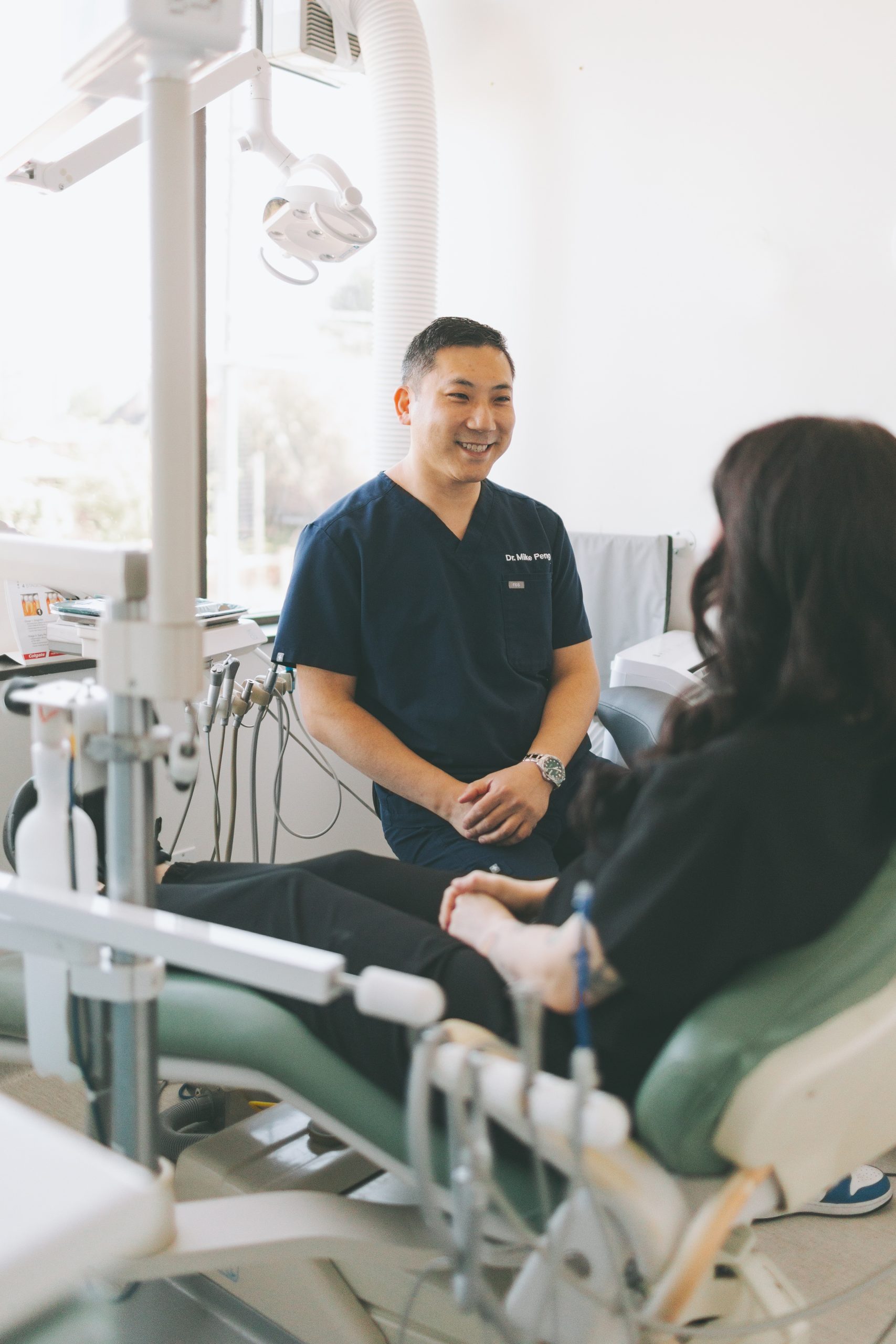
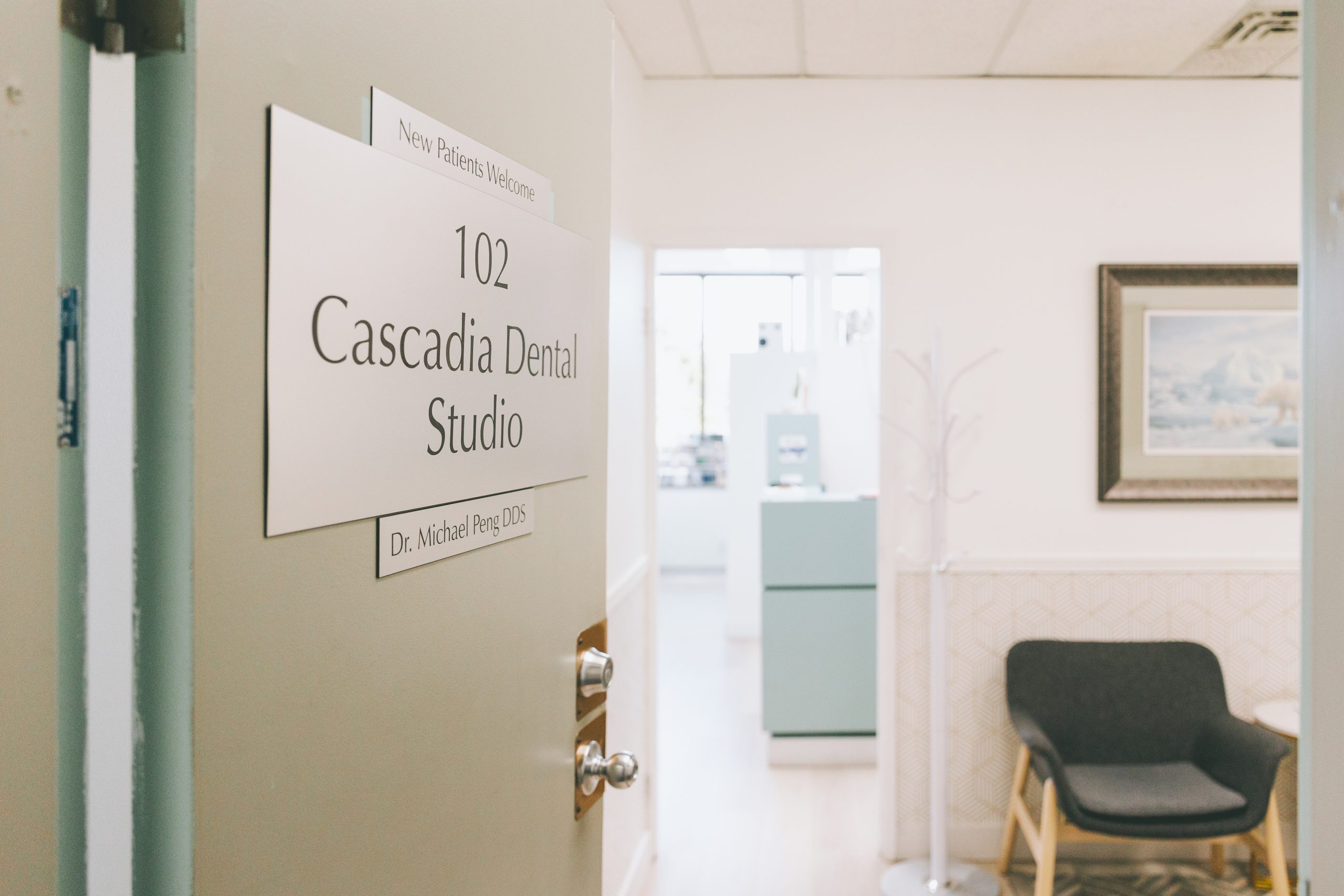
Why Choose Cascadia Dental Studio for Teeth Grinding Treatment in Burnaby?
We’re more than just a dental clinic, we’re your partner in long term oral health. Here’s why patients trust us for teeth grinding treatment in Burnaby:
Personalized Care
We tailor every treatment plan to your specific symptoms and lifestyle.
Advanced Technology
We use modern tools to assess and treat bruxism with precision and comfort.
Gentle Approach
Our team prioritizes your comfort and takes time to explain every step.
Convenient Options
We offer same day appointments, flexible scheduling and support for most insurance plans.
If you’re in pain or just tired of waking up sore we’re here to help you sleep better and smile more.
How to Prevent Teeth Grinding
So how do you stop grinding your teeth? Prevention is key. Here are a few tips to protect your smile and avoid future problems:
With the right support and awareness, many people grind less and live more.
Frequently Asked Questions Related to Teeth Grinding Treatment
What happens if I don’t treat teeth grinding?
Untreated bruxism can cause tooth damage, jaw pain, and TMJ problems. It can also affect your sleep and overall well being.
Do kids grind their teeth?
Yes, it’s common in children especially during growth spurts. But if it lasts more than a few months or is causing loose teeth, talk to a dentist.
Can stress cause teeth grinding?
Yes. Feeling anxious or overwhelmed is a major risk factor. Reducing stress with lifestyle changes or therapy can often help treat bruxism.
How do I know if I’m grinding my teeth at night?
Most people don’t know unless a sleep partner notices the sound. You may also wake up with jaw pain, headaches, or worn teeth.
Can bruxism be cured?
With the right treatments and lifestyle changes many people find relief. While it may not be fully curable in every case, it can be managed.
Book Your Appointment Today!
Don’t let teeth grinding affect your smile, sleep or health any longer. Whether you’re dealing with severe bruxism or just starting to notice the signs, we can help.
📞 Call Cascadia Dental Studio today at 604-438-5321